



Heat Stress & Thermal Comfort FAQs
What is heat stress?
Heat stress is the strain the body experiences when it cannot cool itself effectively, for example in hot, humid or poorly ventilated workplaces. If it is not managed, it can lead to heat exhaustion and heat stroke.
How is heat stress measured?
Heat stress is commonly assessed with the Wet Bulb Globe Temperature (WBGT) index, as described in ISO 7243 (SANS 7243). WBGT meters such as the Delta OHM HD32.32 and the AZ87786 measure the temperature, humidity and radiant heat needed to calculate the index.
What is the difference between heat stress and thermal comfort?
Heat stress is about preventing harm in hot environments. Thermal comfort is about whether people feel comfortable in an office or building, and it is assessed with indices such as PMV and PPD using instruments like the Delta OHM HD32.3TC.
Who uses heat stress instruments?
Occupational hygienists, approved inspection authorities and safety teams use them in mines, foundries, factories, kitchens and other hot workplaces. The results guide work-rest cycles, hydration plans and engineering controls.
Can I log heat stress readings over time?
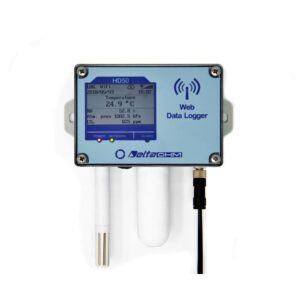
Yes. Many of our WBGT and thermal comfort instruments have built-in data logging, and fixed monitors such as the Delta OHM HD50 series can record conditions continuously and make the data available over a network.
Still have a question? Ask our team or WhatsApp us.