


Air Speed FAQs
What are air speed instruments used for?
Air speed instruments such as anemometers and micromanometers measure how fast air moves through ducts, extraction hoods and workspaces. The readings show whether a ventilation system is moving enough air to keep employees safe and comfortable.
What is the difference between an anemometer and a micromanometer?
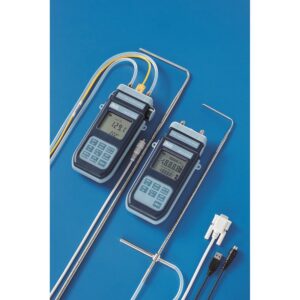
An anemometer measures air velocity directly at the point where you hold the probe. A micromanometer, such as the Delta OHM HD2114P, measures very small pressure differences, which can be used with a Pitot tube to calculate air velocity inside ducts or to check pressure across filters and clean rooms.
Do you supply portable or fixed air speed instruments?
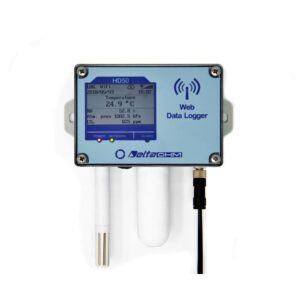
Both. We supply hand-held direct-reading instruments for surveys and spot checks, as well as fixed instruments and data loggers, such as the Delta OHM HD50 series, for continuous monitoring of ventilation systems.
Why does air speed matter for workplace health and safety?
Poor air movement allows dust, fumes and heat to build up, and it reduces how well local exhaust ventilation captures contaminants. Measuring air speed is part of a proper risk assessment and helps you confirm that ventilation controls are working as designed.
Can RunRite calibrate my air speed instrument?
Yes. We offer instrument calibration and repairs from our Pinetown workshop. Contact us with the make and model of your instrument and we will confirm the turnaround time and cost.
Still have a question? Ask our team or WhatsApp us.